What AI Actually Does in Diffusion Models
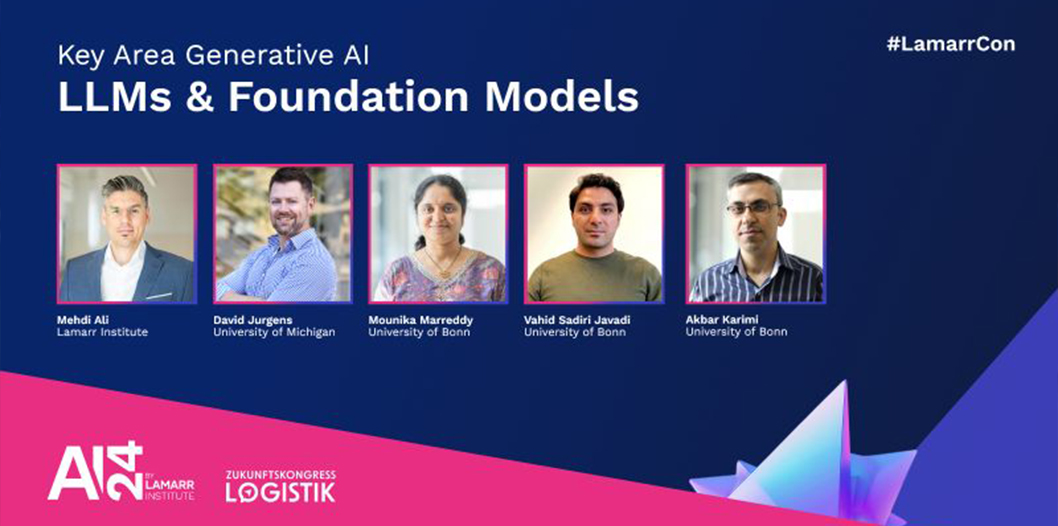
From 21. – 22. May 2026 our institutes will present current research in the field of artificial intelligence.
On this page, you’ll find the latest news from b-it. We regularly post updates here on research, teaching, projects, events, and the diverse academic life at the Center. Our goal is to provide you with a concise overview of important developments, activities, and special events. This way, you’ll always stay up to date on what’s happening at b-it.
From 21. – 22. May 2026 our institutes will present current research in the field of artificial intelligence.
The past decade of AI was largely driven by one question: how to make large language models work at all. How to scale them, stabilize them, and push their capabilities far enough to be usable.
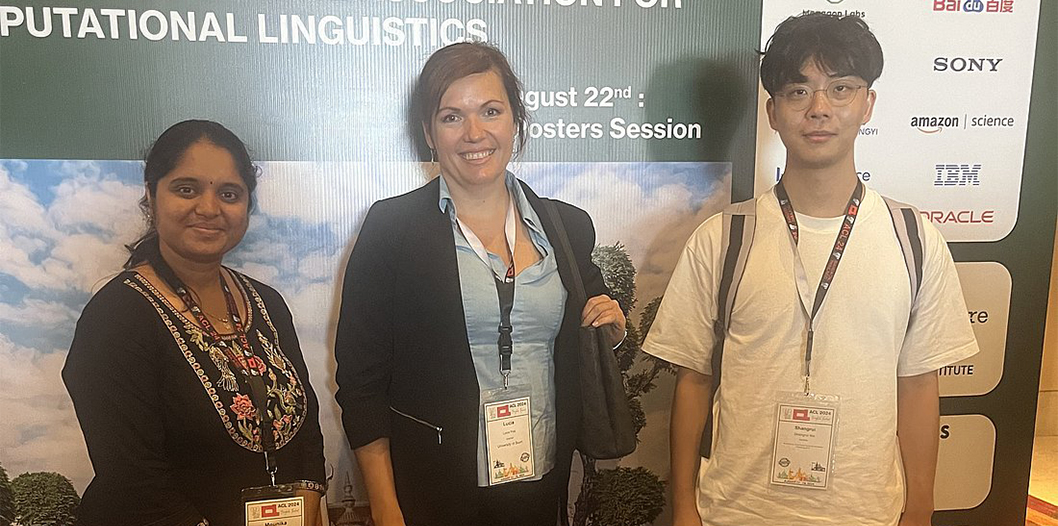
A major success for the b-it: The European Research Council (ERC) is providing millions of euros for projects in the fields of computer science, economics, and evolutionary biology. Prof. Dr. Lucie Flek from Data Science & Language Technologies Group has been awarded with the popular EU funding to continue her research on social parameters in AI.
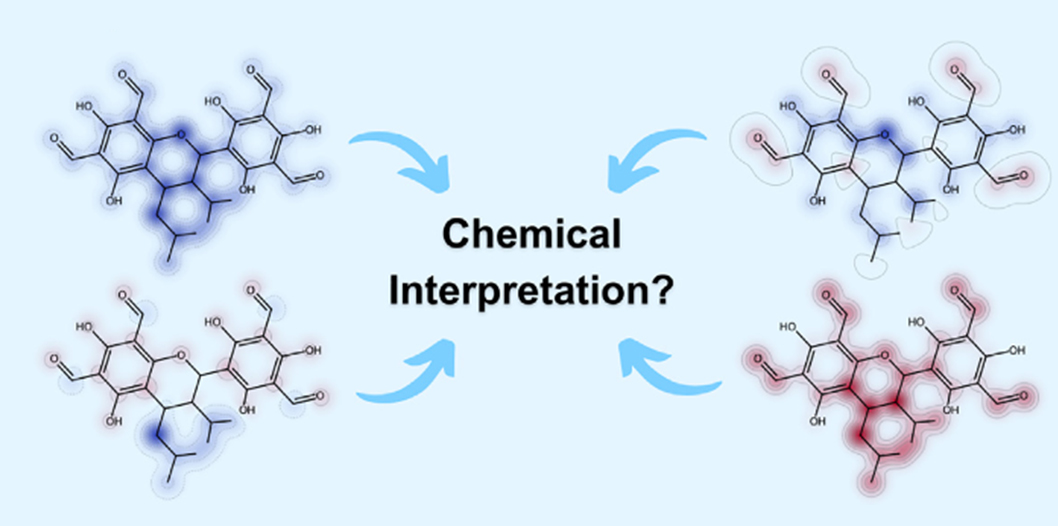
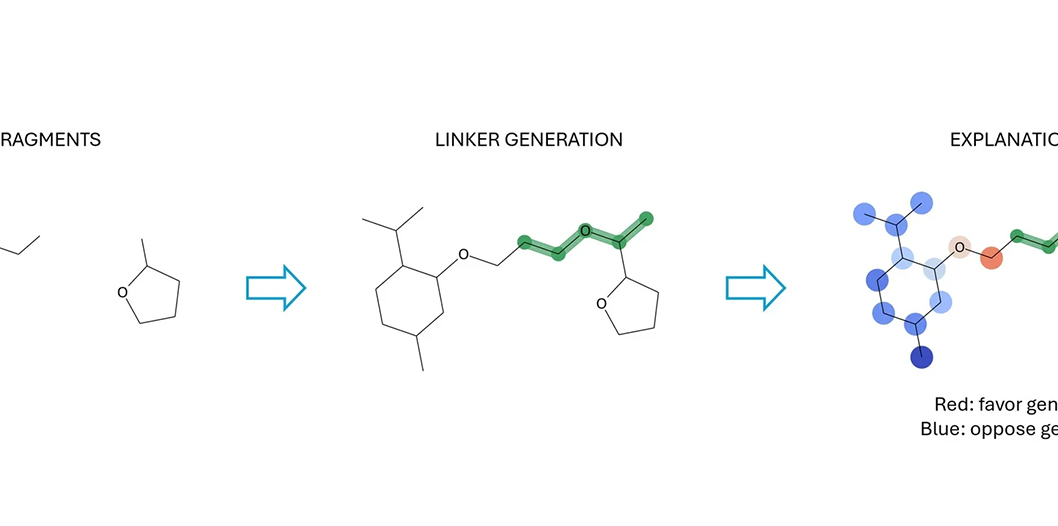
A study by the b-it proves that transformer models used in chemistry learn only statistical correlations.
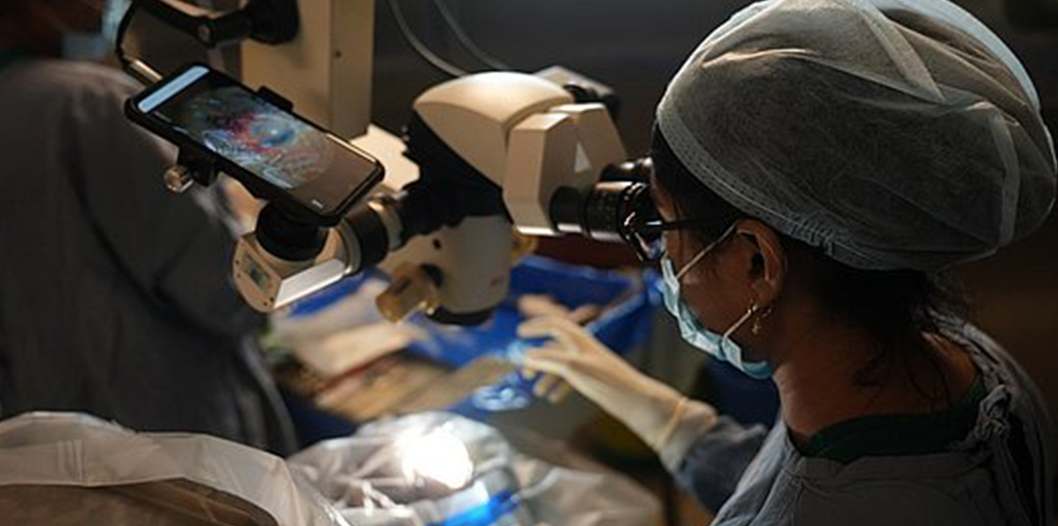
New study on “Automatic evaluation of cataract surgery videos for optimized training & competition” by Prof. Dr. Thomas Schultz.
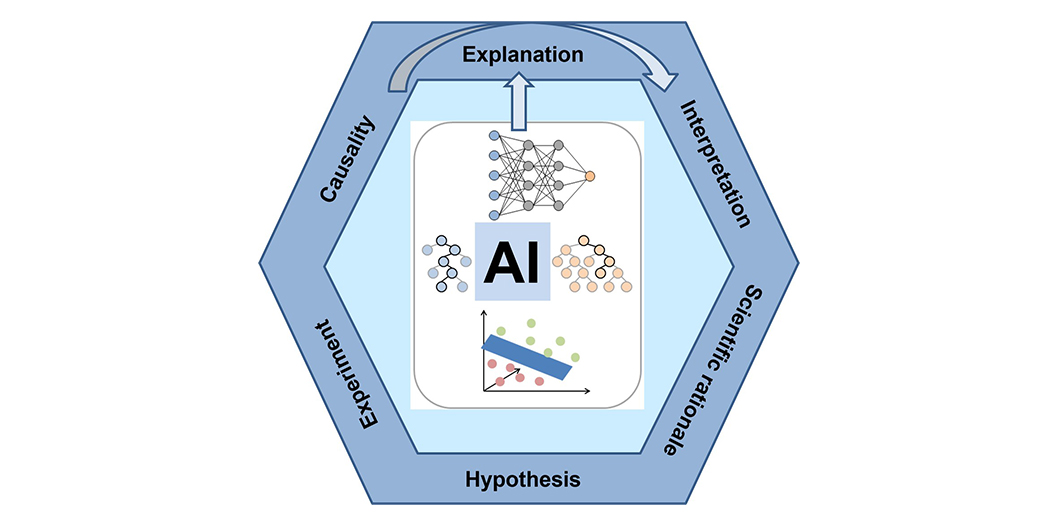
New publication of b-it Professor Dr. Jürgen Bajorath in the journal “Cell Reports Physical Science” shows how science can benefit from AI and what scientist need to look out for.
The past decade of AI was largely driven by one question: how to make large language models work at all. How to scale them, stabilize them, and push their capabilities far enough to be usable.
New study conducted by Prof. Dr. Bajorath and Sanjana Srinivasan at b-it and the Lamarr-Institute at the University of Bonn show the potential of language models in finding new medications. The researchers have created a chemical language model comparable to ChatGPT to predict potential active ingredients with special properties. Following a training phase, the AI was able to exactly reproduce the chemical structures of compounds with known dual-target activity that may be particularly effective medications.
New study conducted by Prof. Dr. Bajorath and Sanjana Srinivasan at b-it and the Lamarr-Institute at the University of Bonn show the potential of language models in finding new medications. The researchers have created a chemical language model comparable to ChatGPT to predict potential active ingredients with special properties. Following a training phase, the AI was able to exactly reproduce the chemical structures of compounds with known dual-target activity that may be particularly effective medications.
The past decade of AI was largely driven by one question: how to make large language models work at all. How to scale them, stabilize them, and push their capabilities far enough to be usable.
The past decade of AI was largely driven by one question: how to make large language models work at all. How to scale them, stabilize them, and push their capabilities far enough to be usable.
New study conducted by Prof. Dr. Bajorath and Sanjana Srinivasan at b-it and the Lamarr-Institute at the University of Bonn show the potential of language models in finding new medications. The researchers have created a chemical language model comparable to ChatGPT to predict potential active ingredients with special properties. Following a training phase, the AI was able to exactly reproduce the chemical structures of compounds with known dual-target activity that may be particularly effective medications.
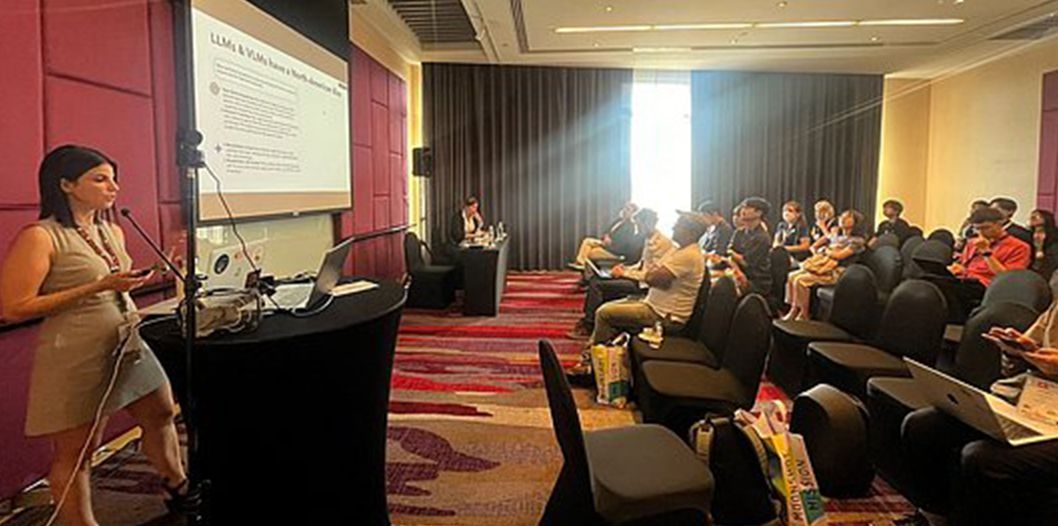
Bias in large language models is a well-known and unsolved problem. In our new paper “Do Multilingual Large Language Models Mitigate Stereotype Bias?” we address this challenge by investigating the influence of multilingual training data on model bias reduction.
B-it, Lamarr Institute and TüCAD2 form collaborative alliance for the academic development of drugs using Artificial Intelligence.
Researchers from Bonn and India work with Microsoft on AI-assisted analysis of surgical videos of the cataract
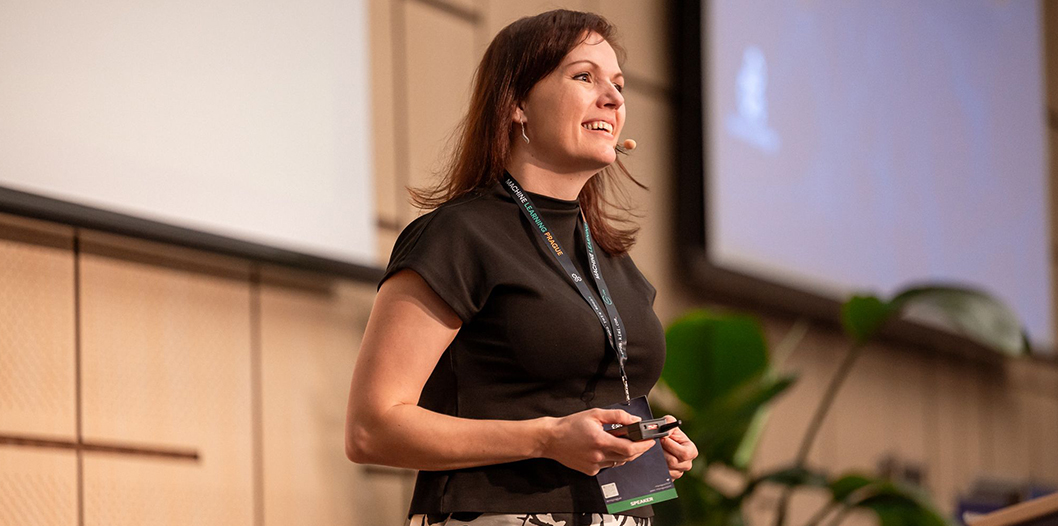
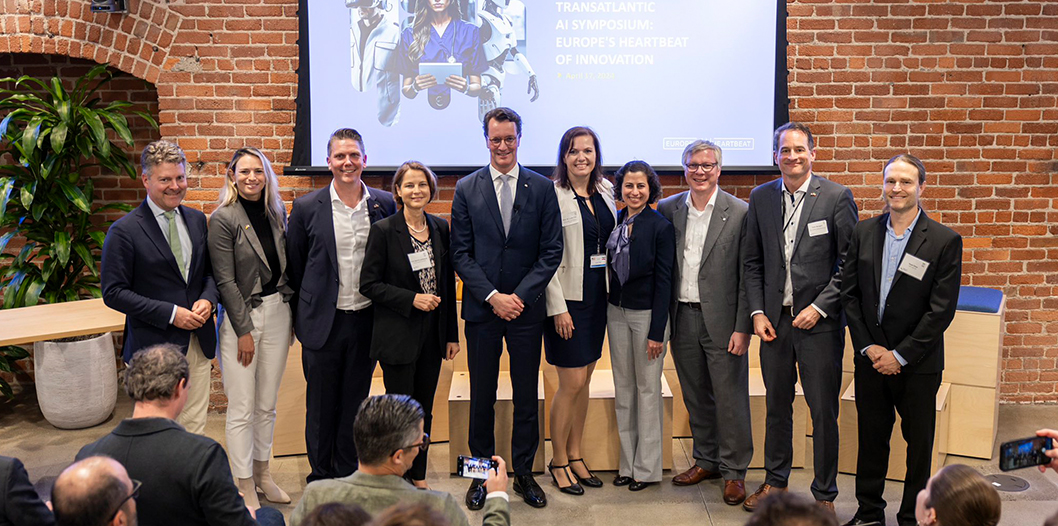
A visit to Stanford University, Microsoft and Google – Professor Dr. Lucie Flek, Professor of Data Science & Language Technologies at b-it, accompanied NRW Minister President Hendrik Wüst on a delegation trip to the USA.
A visit to Stanford University, Microsoft and Google – Professor Dr. Lucie Flek, Professor of Data Science & Language Technologies at b-it, accompanied NRW Minister President Hendrik Wüst on a delegation trip to the USA.
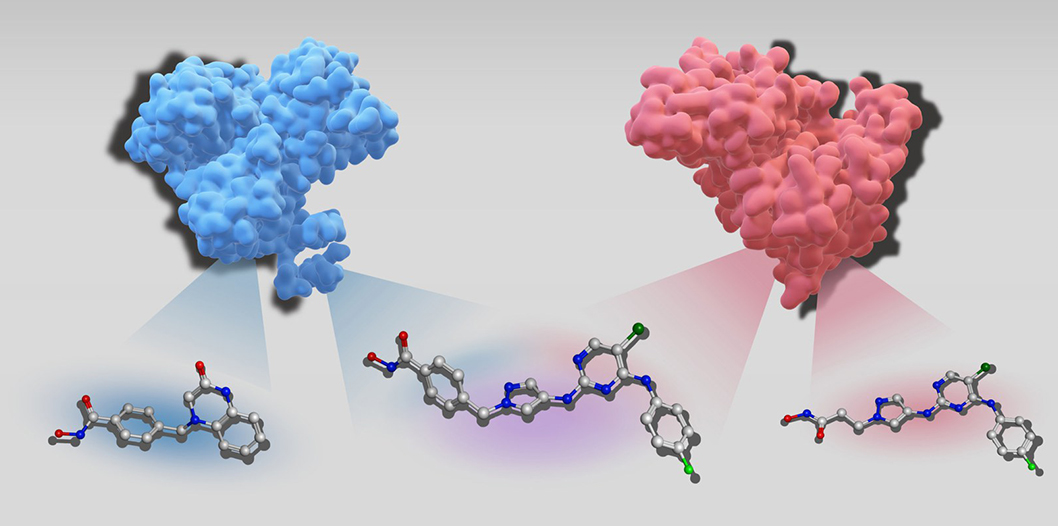
Artificial intelligence (AI) is on the rise. Until now, AI applications generally have “black box” character: How AI arrives at its results remains hidden. Prof. Dr. Jürgen Bajorath, a cheminformatics scientist at b-it, and his team have developed a method that reveals how certain AI applications work in pharmaceutical research. The results are unexpected: the AI programs largely remembered known data and hardly learned specific chemical interactions when predicting drug potency. The results have now been published in “Nature Machine Intelligence”.
Professor Sascha Alda becomes new Scientific Director at the Bonn-Aachen International Center for Information Technology (b-it) on the part of the Hochschule Bonn-Rhein-Sieg and succeeds Professor Nico Hochgeschwender, who is leaving the university.
The Bonn-Aachen International Center for Information Technology (b-it) celebrated its twentieth anniversary these days. Since 2002, it has uniquely combined excellence in research with internationally renowned teaching in three master’s degree programs in computer science. Thus, the b-it qualifies students from all over the world for future-oriented professional fields in the areas of life sciences, media informatics and autonomous systems. With the support of the federal and state governments, an institution with a worldwide reputation has emerged over the past 20 years, which at the same time has an impact on the region with innovative research results and highly qualified graduates.
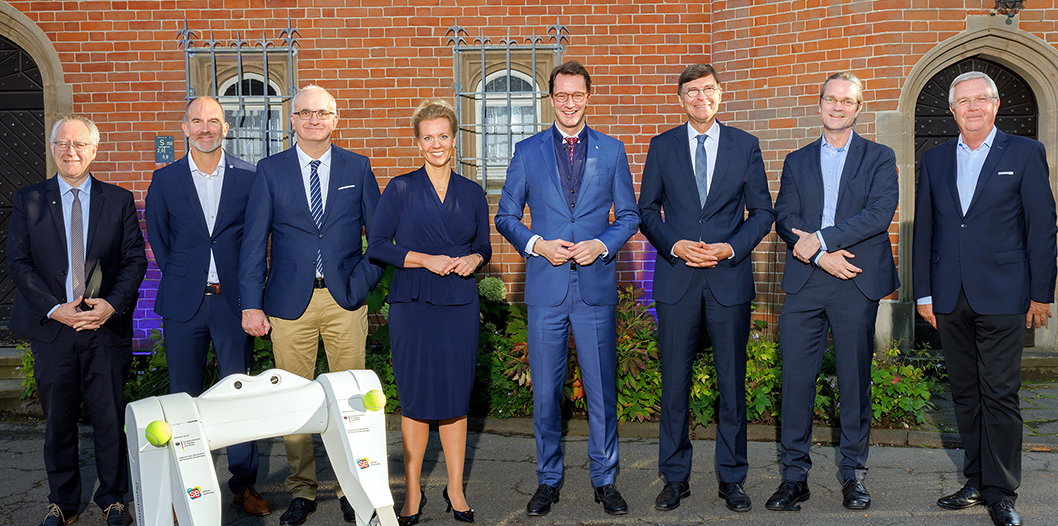
In the presence of NRW Minister President Hendrik Wüst MdL and NRW Minister of Science Ina Brandes as well as leading actors from business and science, the Lamarr Institute for Machine Learning and Artificial Intelligence was officially opened on September 29, 2022. The leading research institute shapes a new generation of Artificial Intelligence (AI) that is high-performing, sustainable, trustworthy and secure in helping to solve key challenges in industry and society. The Lamarr Institute is one of five university-based AI centers of excellence nationwide that have been receiving permanent funding as of this summer as part of the German government’s AI strategy.
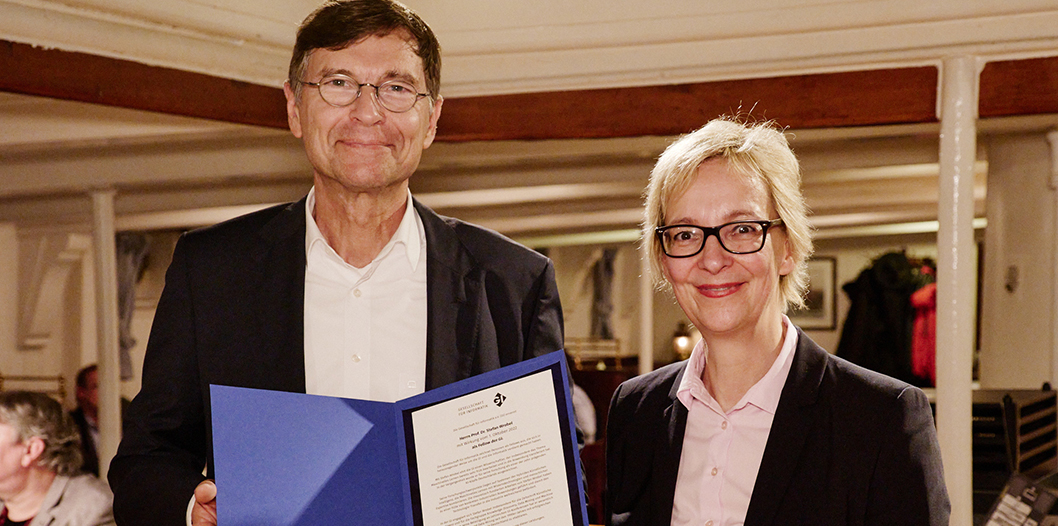
The Gesellschaft für Informatik e.V. (GI) has appointed three scientists as “GI Fellows” – among them Prof. Dr. Stefan Wrobel, Director of the Bonn-Aachen International Center for Information Technology (b-it) and Professor of Computer Science at the University of Bonn. With this award, the GI honors personalities who have rendered outstanding contributions to computer science. Stefan Wrobel particularly impressed the jury with his fundamental scientific contributions as well as his transfer work for applications of Artificial Intelligence (AI) and Machine Learning (ML).
 © Maximilian Waidhas / b-it
 M.Sc.
Daria Tomala
Press and public relations
Press Relations / editorial office
 © b-it
 M.A.
Maximilian Waidhas
Press and public relations
Communication Design / editorial office
 © Maximilian Waidhas / b-it
 B.A.
Viktoria Hytrek
Press and public relations
research assistant